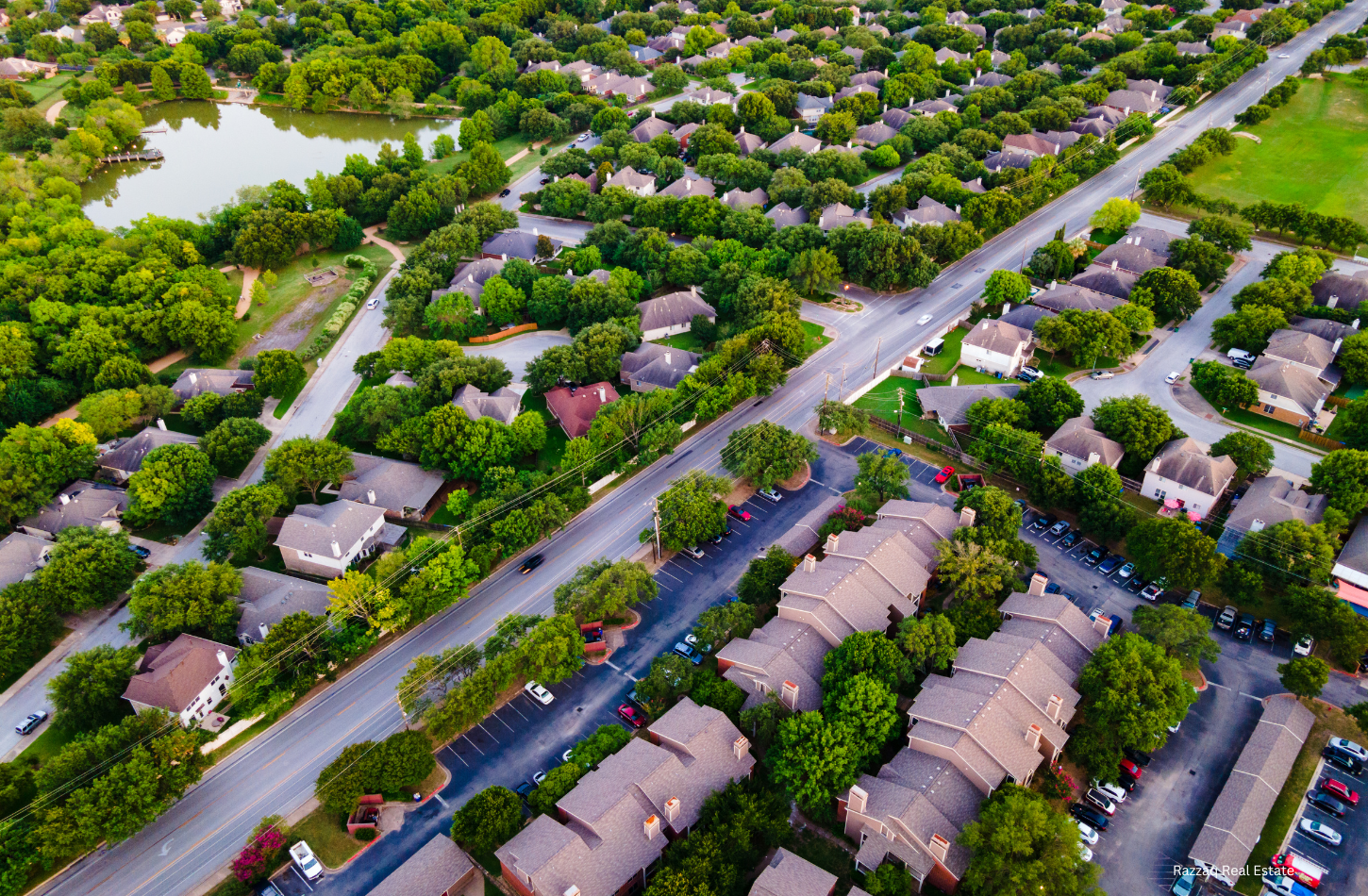
Texas has emerged as one of the most attractive states for real estate investment in recent years, often compared with other major states like California, Florida, and New York. Each of these states has distinct characteristics that impact their real estate markets, including tax policies, cost of living, and economic stability. This article provides a comparative analysis of Texas real estate versus California, Florida, and New York, examining factors like home prices, rental yields, property taxes, and appreciation potential. If you’re considering real estate investment in 2024, here’s how Texas stacks up against these other major states.
1. Home Prices and Cost of Living
Texas consistently offers a lower cost of living compared to California and New York. Although Florida has a relatively affordable cost of living, Texas’s median home prices remain more attractive, especially in growing metro areas like Houston, Dallas, and San Antonio.
Home Price Comparisons
- Texas: The median home price across Texas is approximately $350,000, though it varies by city. Austin has the highest median home price at $550,000, followed by Dallas at $440,000 and Houston at $350,000.
- California: With a statewide median home price of around $790,000, California’s real estate is significantly more expensive. In cities like San Francisco and Los Angeles, median home prices exceed $1 million, making Texas a more affordable choice for buyers and investors.
- Florida: Florida’s median home price is $405,000, making it comparable to Texas but slightly higher overall. Cities like Miami and Fort Lauderdale have seen price increases due to migration and investor interest.
- New York: New York’s median home price is around $750,000, with property prices in Manhattan and Brooklyn averaging well over $1 million. Buyers looking for more affordable real estate and lower living costs often turn to Texas as an alternative.
Cost of Living
Texas’s lack of a state income tax further contributes to its affordability. The cost of living in cities like Austin, Dallas, and Houston is roughly 30% lower than in New York City or Los Angeles, making Texas appealing to both families and businesses.
2. Property Taxes and Tax Advantages
Texas has higher-than-average property tax rates, with a statewide average of 1.83%, but the state’s lack of income tax makes it a favorable environment overall for investors and homeowners. Comparatively, California and New York have state income taxes, while Florida, like Texas, does not.
Property Tax Comparisons
- Texas: The average property tax rate is 1.83%, varying by county. While relatively high, property taxes in Texas are offset by the lack of state income tax.
- California: California’s property tax rate is around 0.73%, but it has a progressive state income tax that can reach up to 13.3%, significantly impacting high earners.
- Florida: Florida’s property tax rate is 0.98%, and like Texas, it does not have a state income tax. This combination makes Florida attractive for both retirees and investors.
- New York: New York’s property tax rate varies but averages 1.72%. Combined with state and city income taxes that can reach over 10% in New York City, tax costs are higher than in Texas.
3. Rental Market and Investment Yields
Texas’s rental market is robust, with cities like Austin and Dallas attracting tenants due to job growth and population increases. Compared to other states, Texas offers competitive rental yields, especially in cities with high rental demand and appreciating property values.
Average Rental Yields
- Texas: Rental yields in Texas range from 6% to 8%, with particularly strong returns in cities like San Antonio, where yields can reach 8%. Austin and Dallas offer around 6% to 7% due to high demand and population growth.
- California: California’s average rental yield is around 4%, which is lower than Texas due to high property values and lower rental income. Coastal cities like Los Angeles and San Francisco have high rental demand, but yields are limited by high home prices.
- Florida: Florida’s rental yields average 6%, with cities like Orlando and Tampa offering attractive returns. Miami’s yields are around 5% due to high property values.
- New York: Rental yields in New York vary, with Manhattan averaging around 3.5%, primarily due to high property costs. Suburban areas, however, may offer slightly better yields, ranging from 4% to 5%.
Example:
A single-family rental property in Dallas priced at $350,000 could generate an annual rental income of $24,000, resulting in a rental yield of approximately 7%. In comparison, a similar property in Los Angeles would yield only around 4% due to the higher initial investment required.
4. Economic Growth and Job Market Stability
Texas’s economy is diverse, with strong industries in technology, energy, healthcare, and finance. California, Florida, and New York also have significant economic activity, but each state’s job market stability varies based on industry reliance.
Key Economic Drivers by State
- Texas: Texas’s economy is anchored by tech (Austin), energy (Houston), finance (Dallas), and military (San Antonio). The state’s job market is expected to grow by 3% in 2024, attracting new residents and driving housing demand.
- California: California’s economy relies on technology (Silicon Valley), entertainment (Los Angeles), and agriculture (Central Valley). Job growth is projected at 2%, but rising living costs are prompting residents to relocate to more affordable states.
- Florida: Florida’s job market is driven by tourism, healthcare, and financial services. The state has seen 2.5% annual job growth, and migration to Florida remains strong, particularly from northeastern states.
- New York: New York’s economy is centered on finance, healthcare, and technology. While the job market in New York City is stable, high costs and recent shifts in the finance industry have impacted long-term job growth, which is expected to be around 1.5%.
5. Appreciation Potential and Long-Term Investment
Real estate appreciation potential varies across these major states. Texas offers strong long-term appreciation potential due to its population growth, business-friendly environment, and ongoing demand for housing.
Appreciation Rates by State
- Texas: Average home appreciation is around 5% annually, with high-growth areas like Austin seeing rates of 7% to 9%. As more companies and residents relocate to Texas, appreciation potential remains strong.
- California: Appreciation in California varies widely. While Silicon Valley has historically appreciated by 6% annually, other areas, like Central Valley, have seen slower growth. California’s high home prices limit appreciation potential in some areas.
- Florida: Florida’s appreciation rates are around 5% annually, with higher rates in Miami, Orlando, and Tampa due to strong demand from out-of-state buyers.
- New York: New York’s appreciation rates average 4%, with higher rates in suburban areas surrounding New York City. Manhattan has experienced lower appreciation in recent years, driven by high inventory levels and shifting buyer preferences.
Conclusion
When comparing Texas real estate to that of California, Florida, and New York, Texas emerges as a top choice for affordability, rental yields, and economic stability. California and New York face challenges with high property costs and state income taxes, while Florida offers competitive advantages but lacks Texas’s job diversity and growth potential. For investors and buyers, Texas provides a balanced combination of strong appreciation potential, high rental yields, and a favorable tax environment. Whether you’re interested in residential or commercial real estate, Texas’s continued growth makes it a compelling option for real estate investment in 2024.