In recent years, Texas’s commercial real estate market has demonstrated resilience amid economic shifts. From the effects of rising interest rates to shifts in workforce trends, commercial real estate investors and developers in Texas have adapted to meet evolving demands. In 2024, the state’s commercial property sector remains dynamic, with growth opportunities in several key areas, including office, retail, and industrial real estate. Here’s a detailed look at how the Texas commercial real estate market is adapting to economic changes and where investors can find the best opportunities.
1. Texas Office Market: Adapting to Remote Work Trends
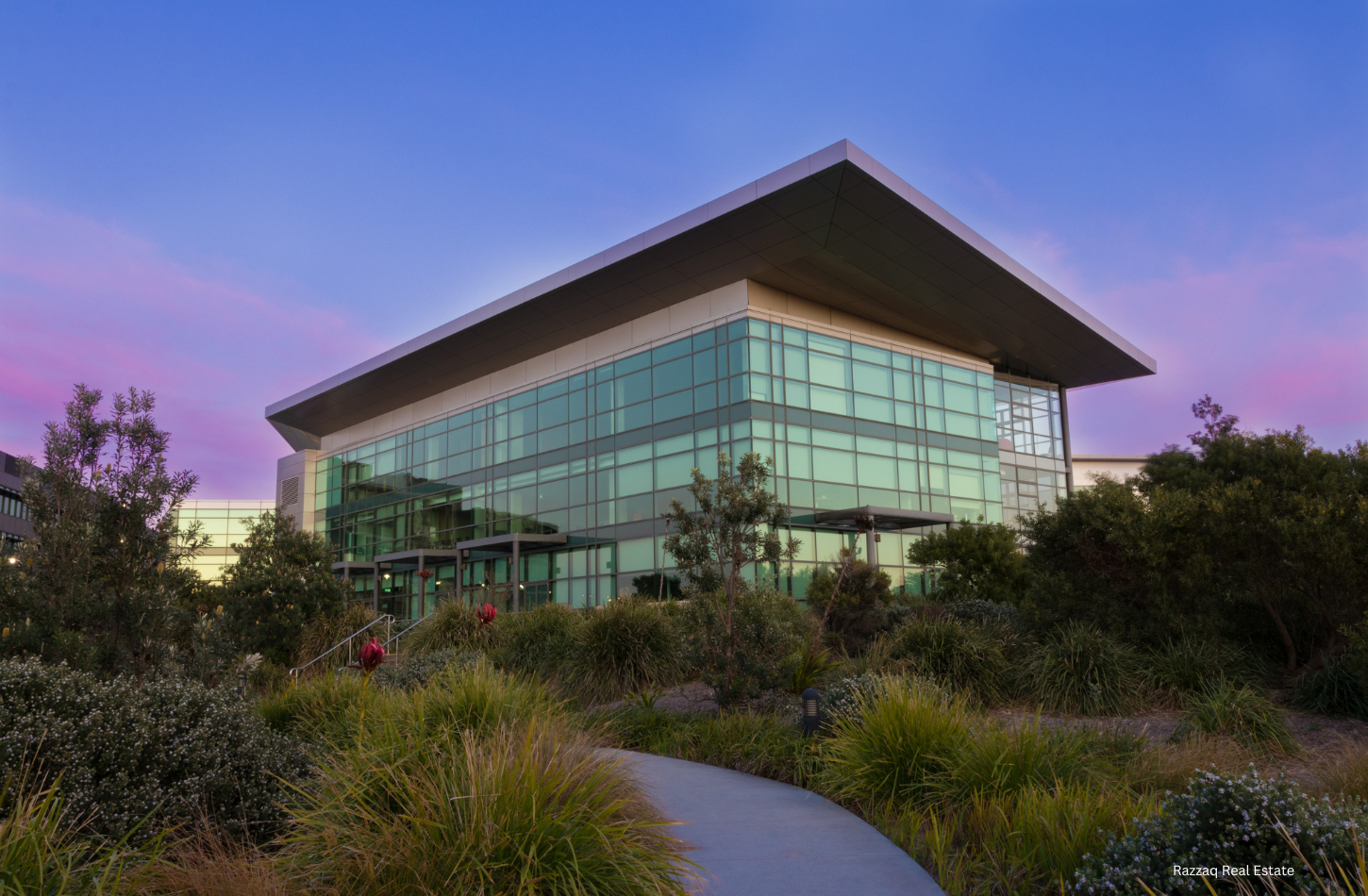
The COVID-19 pandemic accelerated remote work, impacting the demand for office spaces across the U.S. In Texas, however, the office market remains relatively stable compared to other states. Cities like Austin, Dallas, and Houston are seeing renewed demand as businesses redefine office spaces to cater to hybrid work models.
Office Space Trends in Texas
- Austin: With companies like Meta and Tesla expanding in Austin, office demand is rebounding. Vacancy rates are stabilizing around 12%, down from the pandemic high of 18%. Class A office rents average $52 per square foot in prime areas like The Domain.
- Dallas: The Dallas office market is driven by corporate relocations and a growing financial sector. The metro has embraced flexible workspaces, with coworking offices increasing by 20% year-over-year. Office vacancy rates are around 15%, with rental prices averaging $44 per square foot in Uptown Dallas.
- Houston: While Houston’s office market has faced challenges, the city is adapting by repurposing older office spaces. Office demand is highest in areas like Energy Corridor and Westchase, where vacancy rates hover around 16%.
2. Retail Space: Adjusting to Consumer Preferences
Retail in Texas has undergone significant transformation due to e-commerce and changing consumer habits. Developers are reimagining retail spaces to cater to experiential shopping, blending entertainment with traditional retail. Texas cities are embracing this trend, particularly in mixed-use developments that incorporate retail, dining, and recreation.
Top Retail Markets in Texas
- The Woodlands (Houston Metro): Known for its shopping centers and lifestyle communities, The Woodlands is thriving. Retail spaces are seeing an average lease rate of $32 per square foot, with high demand for dining and entertainment tenants.
- South Congress (Austin): Austin’s South Congress area attracts both locals and tourists with boutique shops, cafes, and galleries. Retail space lease rates average $45 per square foot, and demand for spaces in this area has increased by 10% annually.
- Frisco Square (Dallas Metro): Frisco’s retail spaces are part of mixed-use developments that include residential and office tenants. Retail vacancy rates are below 5%, reflecting high demand in this fast-growing suburb.
3. Industrial Real Estate: A Strong Market Segment
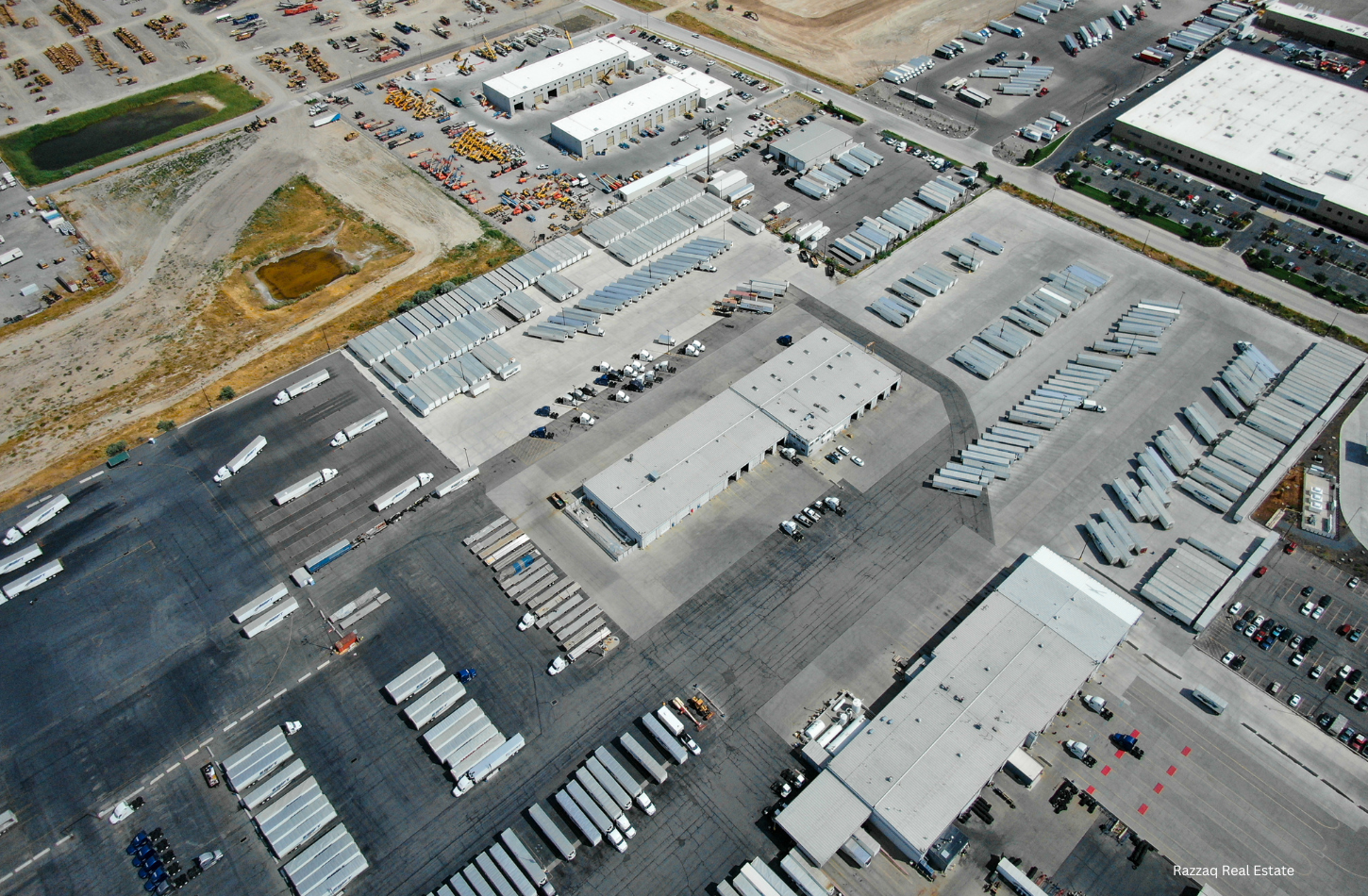
Industrial real estate in Texas has benefited from the e-commerce boom and Texas’s central location. Warehousing and distribution centers are in high demand, particularly in Dallas and Houston. With vacancy rates as low as 3% in some areas, industrial properties provide steady income and high yields for investors.
Key Industrial Markets in Texas
- Dallas-Fort Worth Metroplex: Known as a distribution hub, the Dallas-Fort Worth area has seen rapid growth in industrial properties, with rents averaging $8.50 per square foot. New developments in Fort Worth and Grand Prairie are expected to add 20 million square feet of industrial space by 2025.
- Houston Metro: Houston’s industrial sector is driven by the energy and manufacturing industries. Vacancy rates are below 5%, and lease rates average $7.30 per square foot. Key areas include Port Houston and Baytown, where new warehouses and distribution centers are under construction.
- San Antonio: As a growing logistics hub, San Antonio’s industrial market has seen increasing demand for distribution centers. Lease rates are around $6.80 per square foot, and vacancy rates are at an all-time low of 4%.
4. Mixed-Use Developments: A Rising Trend in Commercial Real Estate
Mixed-use developments in Texas cities are blending office, retail, and residential spaces to create vibrant, walkable communities. These developments offer diversified income for investors and attract a range of tenants. Popular mixed-use projects include The Ion District in Houston and Legacy West in Plano.
Investment Benefits of Mixed-Use Developments
- Diversified Income Streams: With multiple types of tenants, mixed-use properties generate consistent revenue, even during market downturns.
- High Tenant Demand: Mixed-use developments have low vacancy rates, as they attract both residents and businesses seeking community-oriented environments.
- Long-Term Growth Potential: As Texas cities grow, mixed-use developments offer strong potential for property appreciation, especially in high-demand areas like Austin’s The Domain and Houston’s Midtown.
5. Adaptation Strategies for Texas Commercial Investors
With economic shifts, commercial investors must stay agile and responsive to market trends. Here are some key strategies for success in Texas’s commercial real estate market in 2024:
Strategies for Investors
- Focus on High-Demand Sectors: Industrial and mixed-use properties offer strong returns in Texas’s current market. Investors should consider areas with low vacancy rates and growing demand for logistics facilities or live-work-play communities.
- Reimagine Office Spaces: As remote work continues, investors can convert underutilized office spaces into flexible or coworking spaces. This model has proven successful in Austin and Dallas, where demand for shared office spaces is on the rise.
- Prioritize Location: In Texas, location remains critical. Areas with strong job growth, infrastructure development, and proximity to major highways attract both tenants and high occupancy rates.
Conclusion
Texas’s commercial real estate market is adapting to economic shifts and changing tenant preferences with resilience and creativity. From industrial warehouses to flexible office spaces, the state offers diverse investment opportunities for commercial real estate investors. By focusing on high-demand areas, leveraging emerging trends, and remaining adaptable, investors can secure commercial properties that offer both stability and growth potential in 2024.