Texas has experienced a significant population influx over the past decade, with over 500,000 people relocating to the state each year. As more people move to Texas for job opportunities, affordability, and quality of life, the real estate market is undergoing profound changes. In 2024, migration trends will continue to influence housing demand, property values, and rental markets. This article explores how migration is shaping Texas real estate, the top cities attracting new residents, and what this means for investors.
1. Migration Patterns: Who’s Moving to Texas and Why?
Texas attracts a diverse range of newcomers, including young professionals, families, and retirees. The majority of migrants come from high-cost states like California, New York, and Illinois, drawn by Texas’s affordable housing, job opportunities, and lack of a state income tax.
Top Reasons for Moving to Texas
- Affordability: Texas’s lower cost of living and affordable housing make it attractive for those relocating from expensive states. The average cost of living in Texas is about 30% lower than in California.
- Job Opportunities: Texas’s diverse economy and job growth attract workers from across the country. Major cities like Austin, Dallas, and Houston have strong job markets, particularly in tech, healthcare, and finance.
- Business-Friendly Environment: Texas’s pro-business policies and tax incentives attract companies, which in turn bring employees. This influx of businesses further stimulates demand for housing and commercial real estate.
2. Impact on Texas’s Real Estate Market
Migration has significantly increased demand for housing, driving up property prices and rental rates in major cities and surrounding suburbs. This trend is particularly evident in high-growth areas like Austin and Dallas, where the influx of new residents has fueled real estate development and property appreciation.
Home Price Increases Due to Migration
- Austin: Austin’s population has grown by 2.7% annually, leading to a 7% increase in home prices. High demand has resulted in low inventory and a median home price of $550,000.
- Dallas: With a 2.4% population growth rate, Dallas has seen home prices rise by 5%. Popular suburbs like Frisco and Plano are experiencing even higher appreciation rates as families seek affordable alternatives to city living.
- Houston: Houston’s affordable housing and job opportunities have attracted many new residents, leading to a 4.5% increase in home prices. Suburbs like Katy and Sugar Land offer family-friendly options with growing demand.
3. Rental Market Shifts and Investment Opportunities
The surge of new residents has boosted demand for rental properties, with occupancy rates exceeding 95% in cities like Austin and Dallas. Investors are capitalizing on this trend by acquiring multi-family properties and single-family rentals to meet the needs of relocating families and young professionals.
Rental Market Data
- Austin: The average rent for a one-bedroom apartment in Austin is $1,700, with a rental yield of 6%. Multi-family properties near tech hubs are particularly popular, yielding high returns for investors.
- San Antonio: San Antonio has seen a 7% increase in rental prices, with high demand for single-family rentals in areas like Alamo Heights. The city’s affordable rental market and high yields make it an attractive choice for investors.
- Houston: Houston’s rental market has seen a 6% increase in rents, with strong demand in suburban areas. Multi-family properties in Houston offer an average rental yield of 7.2%, providing stable income for investors.
4. Top Cities and Suburbs for New Residents
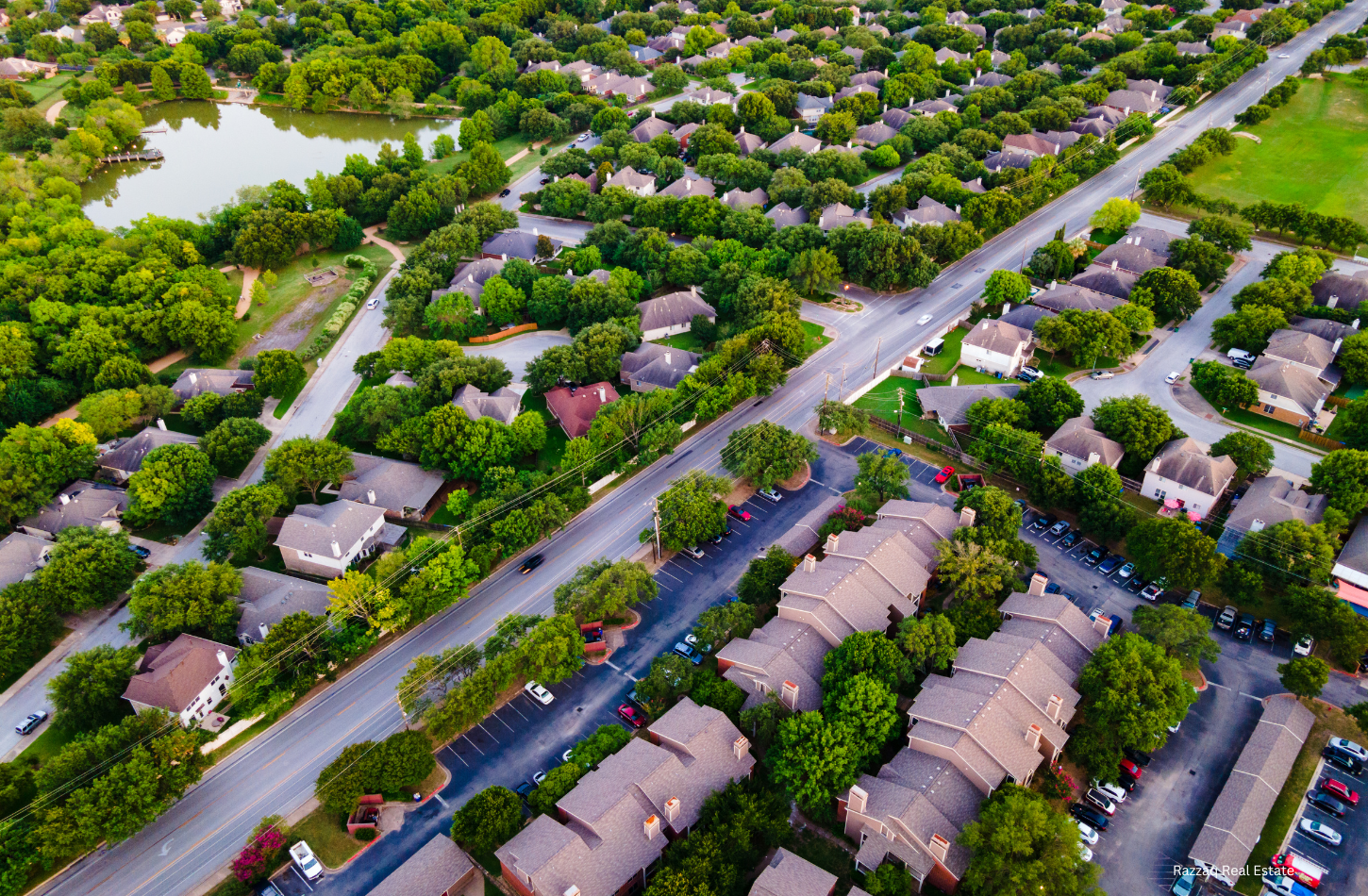
While Texas’s major cities attract the most newcomers, suburban areas are seeing significant population growth. These suburbs offer more affordable housing and quality schools, making them popular choices for families and remote workers.
Top Growth Suburbs
- Frisco (Dallas Metro): Frisco has grown by 30% over the past decade, driven by its excellent schools and proximity to major employers. Home values have appreciated by 8% annually, making it a top choice for families.
- The Woodlands (Houston Metro): Known for its community amenities, The Woodlands has attracted families and retirees. Home prices have increased by 6% annually, and rental yields are around 6.5%.
- Cedar Park (Austin Metro): Cedar Park’s proximity to Austin makes it popular with tech workers and families. The area has experienced a 7% appreciation rate and offers strong investment potential.
5. Long-Term Projections and Opportunities for Real Estate Investors
As migration to Texas continues, demand for housing and rental properties is likely to remain high, providing long-term opportunities for real estate investors. Suburban areas will continue to experience growth, especially as remote work allows residents to live outside of major urban centers.
Investment Strategies for 2024
- Focus on Multi-Family Properties: With high rental demand, multi-family properties offer steady income and high occupancy rates, especially in suburban areas.
- Invest in High-Growth Suburbs: Suburbs like Frisco and The Woodlands offer strong appreciation potential and rental yields. Investors seeking long-term growth can benefit from rising property values in these areas.
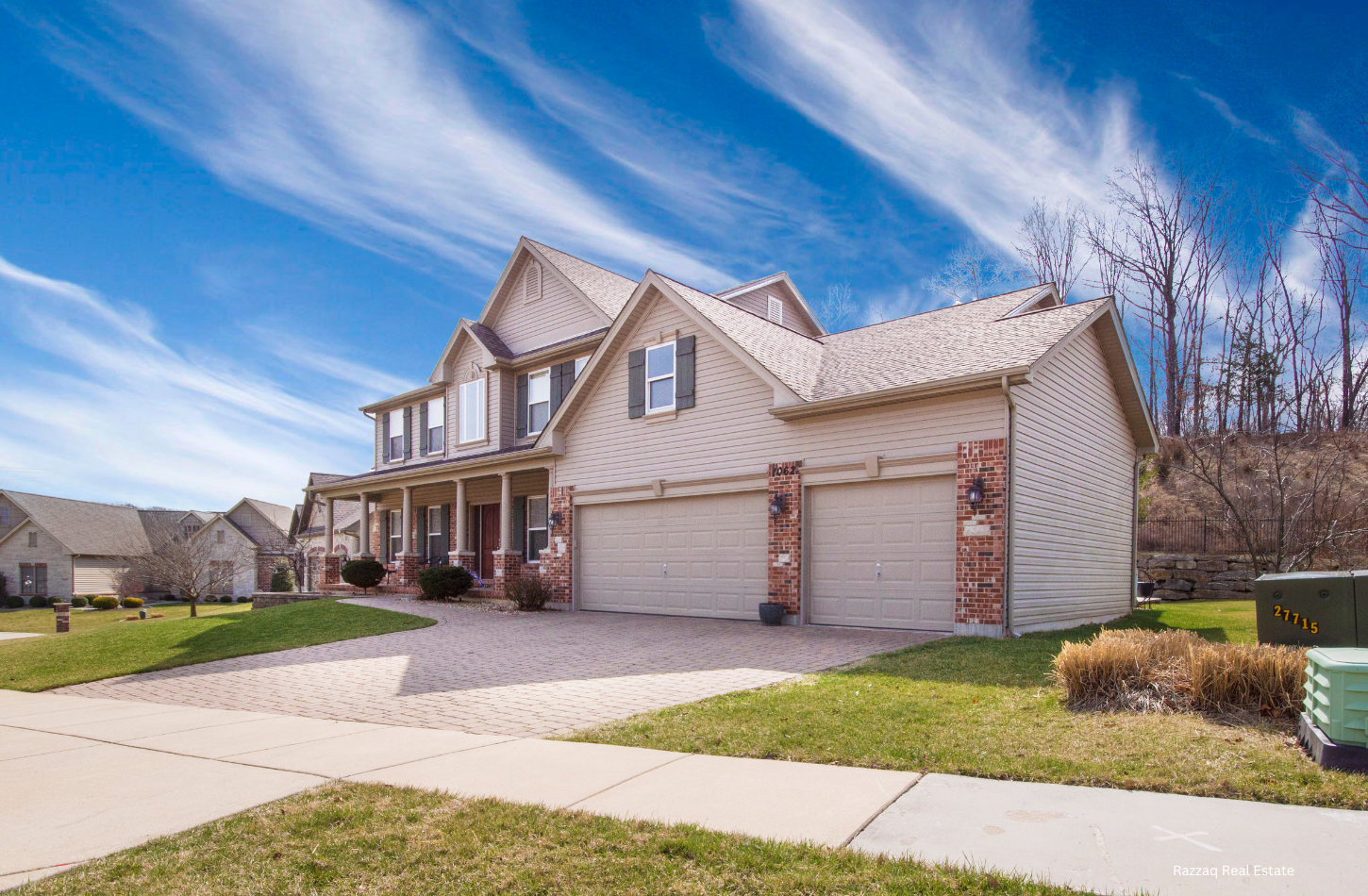
- Target Affordable Housing: As affordability concerns grow, investing in single-family rentals in affordable suburbs can attract tenants priced out of major cities.
Conclusion
Texas’s ongoing migration trends are transforming its real estate landscape, driving demand for both residential and rental properties. As more people relocate to Texas, the state’s major cities and suburbs are seeing strong appreciation and rental growth. For investors, these trends create opportunities to invest in high-demand areas, capitalize on rental markets, and secure properties with long-term appreciation potential. By focusing on emerging suburban markets and high-growth cities, real estate investors can position themselves for success in Texas’s dynamic real estate market.