As Texas continues to attract new residents, the real estate market offers a diverse range of options for buyers, from bustling urban areas to family-friendly suburbs. With the rise of remote work and lifestyle changes spurred by the pandemic, many buyers are weighing the benefits of city living versus suburban life. In 2024, both Texas’s cities and suburbs offer unique opportunities, but the right choice depends on factors such as budget, lifestyle, and long-term investment goals. This article compares the cost of living, property values, and quality of life across Texas’s top urban and suburban areas to help buyers make informed decisions.
1. Cost of Living: Urban Centers vs. Suburbs
In general, Texas suburbs offer more affordable living compared to the state’s major cities. While property prices in cities like Austin and Dallas have skyrocketed, suburbs such as Frisco, Sugar Land, and McKinney offer buyers more value for their money, including larger homes, outdoor space, and access to quality schools. Here’s a cost comparison between Texas’s urban and suburban markets:
Urban Centers
- Austin: Austin has one of the highest median home prices in Texas, around $550,000. Living downtown offers proximity to tech jobs, entertainment, and dining, but prices are high, and available inventory is limited.
- Dallas: The median home price in central Dallas is approximately $440,000. While Dallas offers a more affordable cost of living than Austin, suburban options often provide better value for home size and amenities.
- Houston: Houston remains relatively affordable for a major city, with a median home price of $350,000. However, living downtown comes with higher property taxes and HOA fees compared to the suburbs.
Suburban Areas
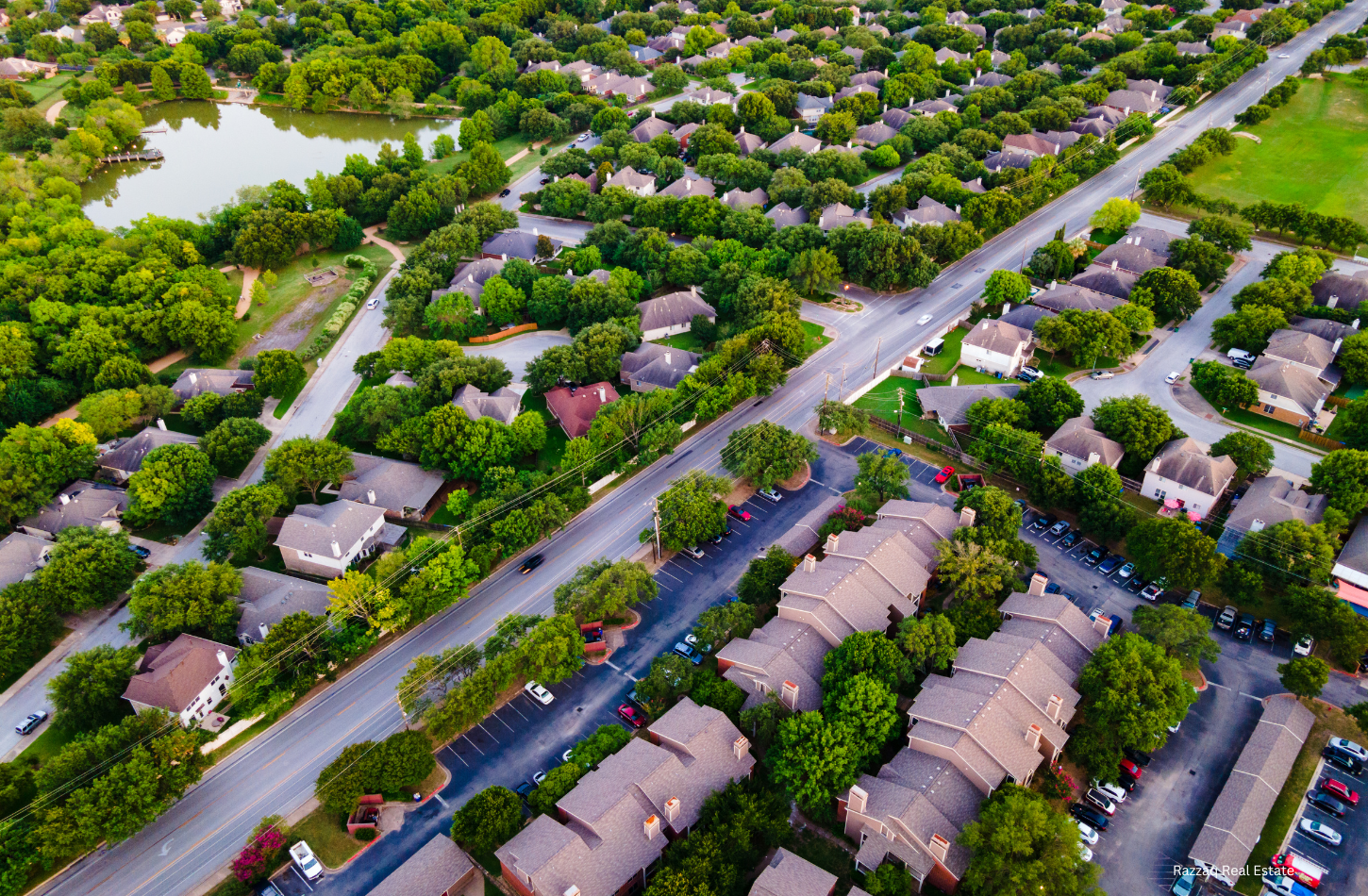
- Frisco (Dallas Metro): With a median home price of $500,000, Frisco offers spacious homes, top-rated schools, and a strong sense of community. This suburb is ideal for families and professionals looking for a balanced lifestyle.
- The Woodlands (Houston Metro): Located about 30 miles north of Houston, The Woodlands has a median home price of $420,000 and offers excellent schools, beautiful parks, and a lower cost of living compared to Houston.
- Pflugerville (Austin Metro): Just north of Austin, Pflugerville has a median home price of $360,000. This suburb provides a more affordable option for buyers who want easy access to Austin’s tech scene without paying premium city prices.
2. Quality of Life: City Conveniences vs. Suburban Amenities
Texas’s cities and suburbs offer distinct lifestyles. While city living often provides access to dining, entertainment, and cultural activities, the suburbs deliver amenities such as parks, recreational facilities, and a more relaxed environment. Here’s how urban and suburban living stack up in terms of quality of life:
City Lifestyle
- Convenience: In cities like Austin and Dallas, residents enjoy walkable neighborhoods, trendy restaurants, and vibrant nightlife. For buyers seeking convenience and social opportunities, urban living is hard to beat.
- Job Access: Many of Texas’s largest employers, particularly in the tech and finance sectors, are headquartered in central areas. Living in the city offers shorter commute times for those working in downtown districts.
Suburban Lifestyle
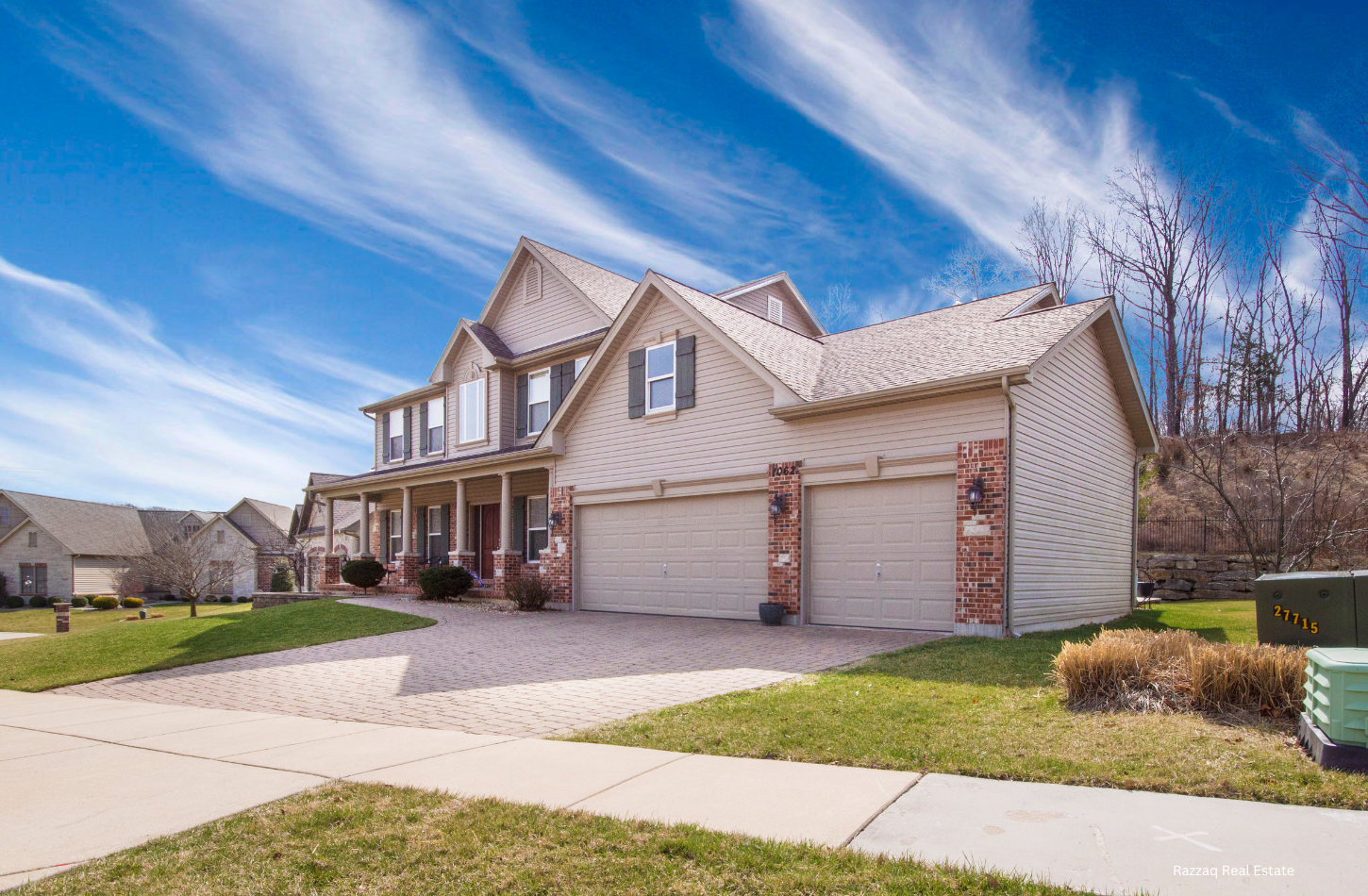
- Space and Comfort: Suburban homes typically offer larger lots, more bedrooms, and outdoor space for families. Communities like Frisco and The Woodlands feature expansive parks, family-oriented activities, and larger homes.
- Community-Focused: Suburban neighborhoods often have a strong sense of community, with amenities like playgrounds, sports fields, and community centers. These areas are particularly attractive to families looking for a supportive environment.
3. Real Estate Appreciation: City vs. Suburb
Both urban and suburban areas in Texas offer opportunities for property appreciation, but certain regions have shown stronger historical growth. Here’s a breakdown of appreciation trends in Texas’s cities and suburbs:
Urban Appreciation Trends
- Austin: Austin’s home values have appreciated at an average of 7% annually over the past five years, with high demand driven by tech industry growth. While city home prices may be reaching their peak, certain areas, like East Austin, still offer strong appreciation potential.
- Dallas: Central Dallas has seen steady growth, with home prices appreciating at around 5% per year. Dallas’s diverse economy supports stable property values, especially in neighborhoods like Uptown and Deep Ellum.
Suburban Appreciation Trends
- Frisco: Frisco has experienced impressive growth, with property values appreciating by 8% annually. Its combination of quality schools, economic growth, and community amenities makes it one of Texas’s most sought-after suburbs.
- Sugar Land: Located in the Houston metro, Sugar Land has seen steady appreciation, averaging 6% per year. This suburb is known for its master-planned communities and desirable amenities.
- Cedar Park (Austin Metro): Cedar Park, north of Austin, has seen property appreciation rates of around 7% annually, driven by its family-friendly reputation and proximity to Austin’s tech scene.
4. Investment Potential: Comparing ROI in Cities and Suburbs
For investors, the choice between city and suburban properties depends on goals, such as rental income versus property appreciation. Here’s a comparison of investment potential in Texas’s urban and suburban areas:
City Investment Potential
- Austin Rentals: Central Austin has a high demand for rental properties, particularly near The University of Texas and tech companies. Rental yields average 5.5% in these areas, though property prices are high.
- Houston Multifamily: Houston’s urban areas offer strong rental yields for multifamily properties, averaging around 7%. Areas like Midtown and Montrose are popular with young professionals, providing steady tenant demand.
Suburban Investment Potential
- Single-Family Rentals in Frisco: Frisco’s rental yields average 6%, and demand remains high due to the city’s top-rated schools and family-friendly environment. Investors can expect strong cash flow from single-family rentals.
- The Woodlands Rental Market: With an average rental yield of 6.5%, The Woodlands is ideal for long-term investors seeking stable, family-oriented tenants. This suburb offers excellent amenities and a strong sense of community, attracting renters looking for quality of life over proximity to downtown.
5. Top Suburbs for 2024: Frisco, The Woodlands, and McKinney
Based on cost, quality of life, and investment potential, here’s a closer look at three of Texas’s best suburbs for 2024:
Frisco
Located 25 miles north of Dallas, Frisco is a top-rated suburb for families. Its strong job market, excellent schools, and access to amenities make it ideal for buyers seeking value and a high quality of life.
The Woodlands
Known for its beautiful parks and strong community focus, The Woodlands is a highly desirable suburb of Houston. With property appreciation rates averaging 6% annually, it remains a top choice for buyers and investors alike.
McKinney
Located in the Dallas metro, McKinney offers historic charm, spacious homes, and quality schools. Its affordable property prices and 7% annual appreciation rate make it an attractive suburb for first-time buyers and investors.
Conclusion
Both Texas’s cities and suburbs offer unique benefits for buyers in 2024. While urban areas like Austin and Dallas provide convenience and job proximity, suburbs like Frisco, The Woodlands, and McKinney deliver more space, family-friendly amenities, and often better value for the money. For investors, each choice comes with its own set of benefits, from high rental yields in urban areas to stable long-term appreciation in suburban markets. Ultimately, the right decision depends on lifestyle needs, budget, and investment goals. Whether you’re looking for a home or a high-potential investment, Texas’s real estate market has something to offer everyone in 2024.