As tech companies and startups continue to seek new headquarters and expansion opportunities, Texas has quickly become a favorite destination for the technology sector. In recent years, Texas has attracted major players, including Tesla, Oracle, Apple, and Google, sparking a surge in demand for both commercial and residential real estate. This influx is reshaping Texas’s cities, particularly Austin and Dallas, which are emerging as tech hubs rivaling the West Coast. Here’s an in-depth look at how the tech boom is impacting the Texas real estate market and what this means for investors.
1. Why Texas Is Attractive for Tech Companies
Tech companies are increasingly drawn to Texas for a variety of reasons, ranging from its business-friendly tax environment to affordable office space. California-based companies, in particular, are relocating their headquarters to Texas as a cost-saving strategy. Some of the key factors contributing to Texas’s popularity among tech firms include:
Key Factors Driving Tech Relocations to Texas
- No State Income Tax: Texas’s lack of state income tax is a major draw for both companies and employees, making Texas-based salaries more competitive compared to states like California.
- Lower Cost of Living: Texas’s cost of living is significantly lower than California’s. The median home price in Austin, for instance, is $550,000, which is still less than half of San Francisco’s $1.3 million.
- Pro-Business Policies: Texas offers economic incentives for corporations, including tax breaks and grants that help reduce operating costs.
- Talent Pool: With a strong presence of universities like The University of Texas at Austin, Texas A&M University, and Rice University, Texas has a steady supply of highly skilled graduates entering the workforce.
2. Impact on Residential Real Estate
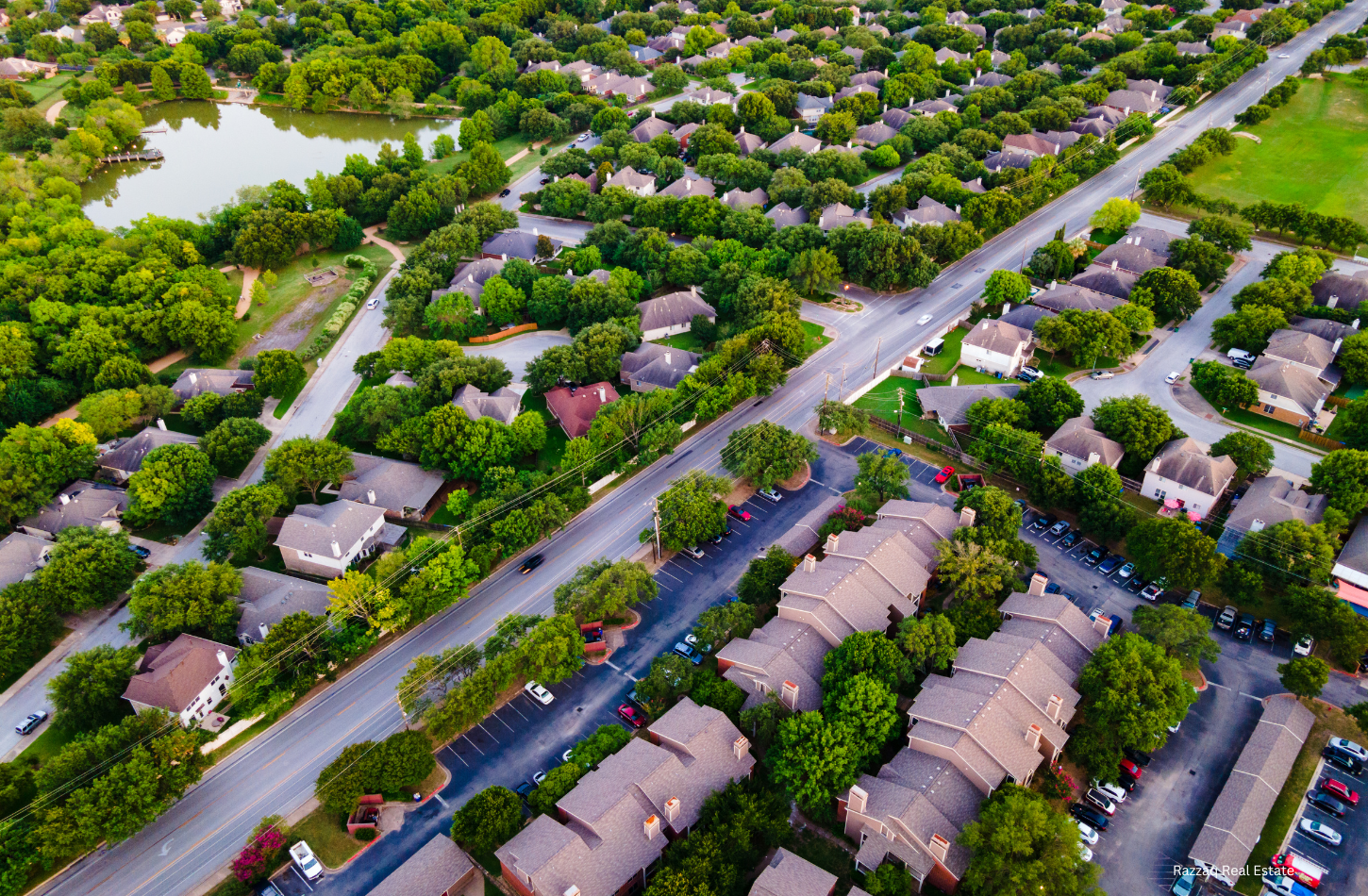
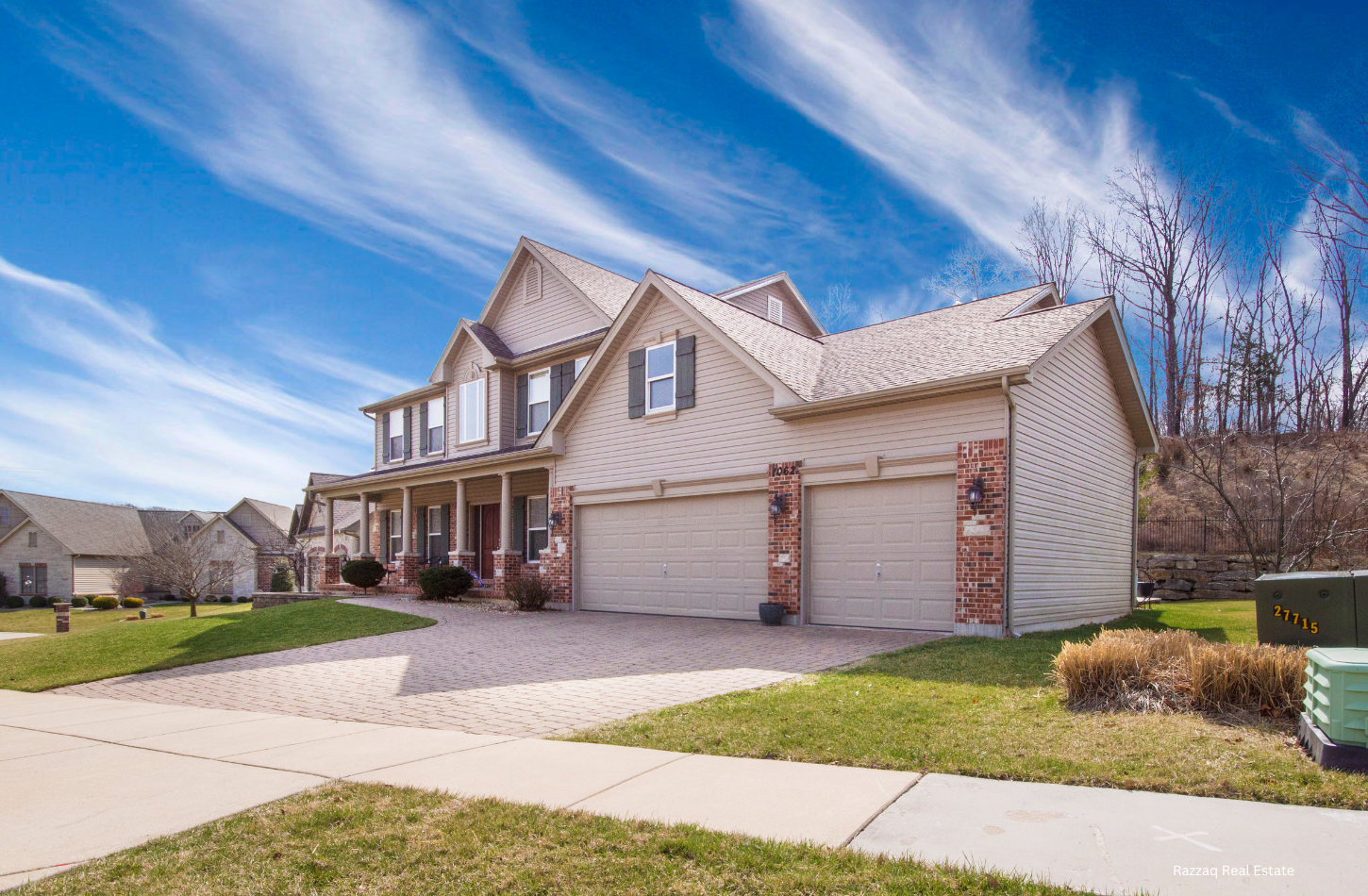
The tech boom has led to an unprecedented demand for housing in Texas, with cities like Austin and Dallas experiencing rapid price appreciation and low inventory levels. Over the past five years, Austin’s median home price has increased by more than 40%, primarily driven by tech-related job growth. Here’s a closer look at how this tech influx is affecting residential real estate in Texas’s major cities:
Austin’s Residential Market
Austin’s tech scene, led by companies like Tesla and Oracle, has driven significant demand for housing. As more tech workers relocate to the area, housing inventory has struggled to keep pace, driving prices up in popular neighborhoods such as:
- East Austin: With median home prices around $500,000, East Austin is popular among young professionals and offers proximity to tech offices, trendy restaurants, and entertainment.
- Cedar Park: Located just north of Austin, Cedar Park is a family-friendly suburb where home values have appreciated by 7% over the past year, making it an appealing option for tech workers seeking more space.
Dallas Residential Market
Dallas, another tech-friendly city, has seen significant growth, particularly in areas like Plano and Richardson, where tech companies such as AT&T and Toyota have established headquarters. In these areas, home prices have appreciated by 6% annually, with high demand for suburban properties offering proximity to tech hubs.
3. Rising Demand for Commercial Real Estate in Tech-Focused Areas
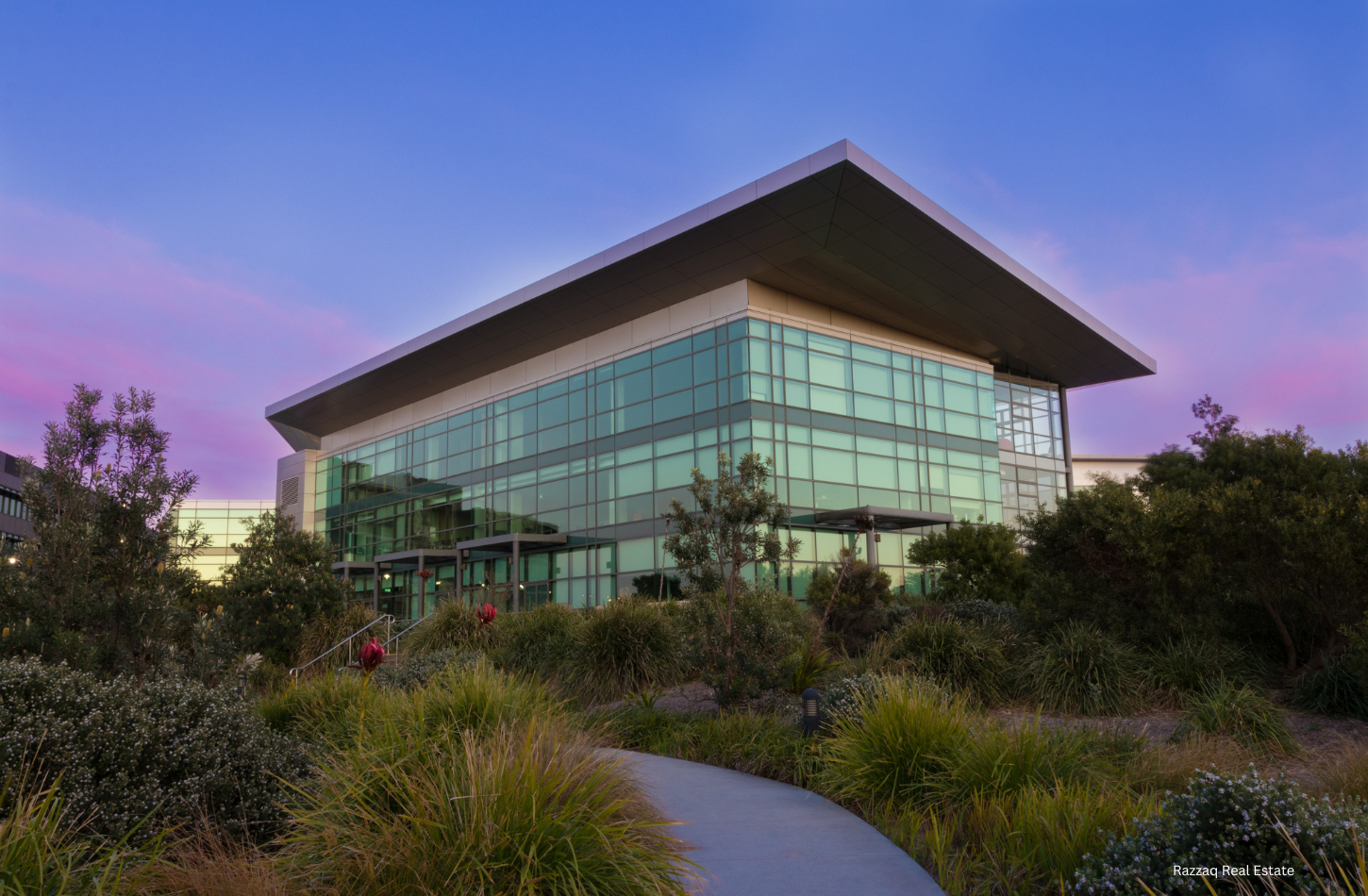
The tech sector’s expansion is also reshaping Texas’s commercial real estate market. Office spaces in Austin and Dallas are now in high demand, with tech companies leasing up large spaces in areas previously dominated by traditional corporate tenants. As a result, vacancy rates for office spaces have dropped, and rental prices have increased.
Austin’s Commercial Real Estate Market
- The Domain: Known as Austin’s “second downtown,” The Domain has become a focal point for tech companies, with firms like Amazon, IBM, and Meta leasing office space here. Office vacancy rates in The Domain are below 5%, and rental rates have increased by 10% year-over-year.
- Downtown Austin: The city’s downtown area is also seeing increased demand. With Class A office space rental rates averaging $52 per square foot, Downtown Austin remains a top choice for tech companies seeking a prestigious address and proximity to city amenities.
Dallas’s Commercial Real Estate Market
- Legacy West (Plano): This 250-acre mixed-use development includes corporate offices, retail shops, and residential apartments. It’s home to several tech headquarters, including Toyota and Liberty Mutual. Office space here commands premium rates, averaging $42 per square foot.
- Richardson’s Telecom Corridor: This area has a concentration of tech companies, including Texas Instruments and Raytheon. With high demand, the vacancy rate is around 6%, and rental rates have steadily increased by 5% annually over the past three years.
4. Emerging Submarkets and Investment Opportunities
The tech boom is not only affecting central areas but also creating opportunities in emerging submarkets. Suburbs with good access to major highways and proximity to tech hubs are seeing increased interest from developers and investors.
Emerging Submarkets to Watch
- Round Rock (Austin Metro): Located 20 miles north of downtown Austin, Round Rock is becoming a popular area for both residential and commercial developments, particularly for those seeking affordable alternatives to Austin.
- Frisco (Dallas Metro): Frisco is experiencing rapid development, with a focus on creating mixed-use communities. The area has seen residential property prices rise by 9% annually, and rental yields are high for both residential and commercial properties.
- Pearland (Houston Metro): With its affordable housing and proximity to Houston’s energy and medical sectors, Pearland is attracting tech workers who value both affordability and access to Houston’s job market.
5. Long-Term Projections and Opportunities for Investors
The tech sector’s growth is expected to continue driving demand for both residential and commercial real estate in Texas. For investors, this presents several opportunities, including:
- Residential Rental Properties: With high demand for housing, rental properties in tech-heavy areas like Austin and Frisco offer strong cash flow potential. Multi-family properties, in particular, are seeing high occupancy rates and rental yields of up to 7%.
- Office Space Investments: Class A office spaces in tech-focused districts such as The Domain in Austin or Legacy West in Plano are projected to appreciate as more tech companies expand. For investors, these areas offer long-term stability and the potential for rental rate increases.
- Mixed-Use Developments: As tech workers prefer walkable neighborhoods with access to amenities, investing in mixed-use developments can provide diversified income from retail, office, and residential tenants.
Conclusion
The tech boom in Texas is transforming its real estate landscape, creating a high demand for both housing and office space. As cities like Austin and Dallas continue to grow into tech hubs, real estate investors have a unique opportunity to capitalize on these changes. With a pro-business environment, an educated workforce, and an influx of tech companies, Texas is positioned to remain a leader in real estate investment in the coming years. By focusing on high-demand areas and emerging submarkets, investors can secure properties that offer strong appreciation potential and steady income.